




























Identify a topic
Pick a topic you’re passionate about and have experience with. Your book should address a specific issue or challenge your readers are facing.

Share your wisdom and grow your brand with industry specific books.
Publishing a book can feel like a monumental task, especially when you do it on your own. There’s a whole world of design choices, marketing strategies, and printing options that you need to navigate before your book finds its audience. Count on Palmetto Book Publisher to guide you along the way.
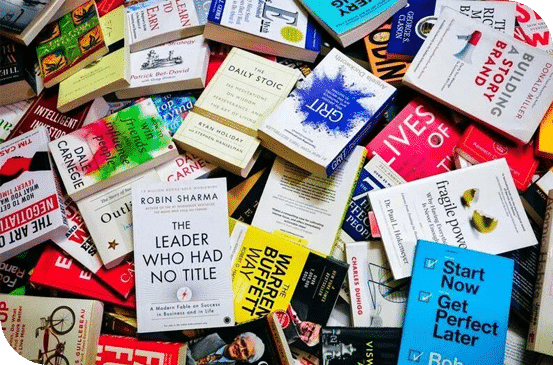
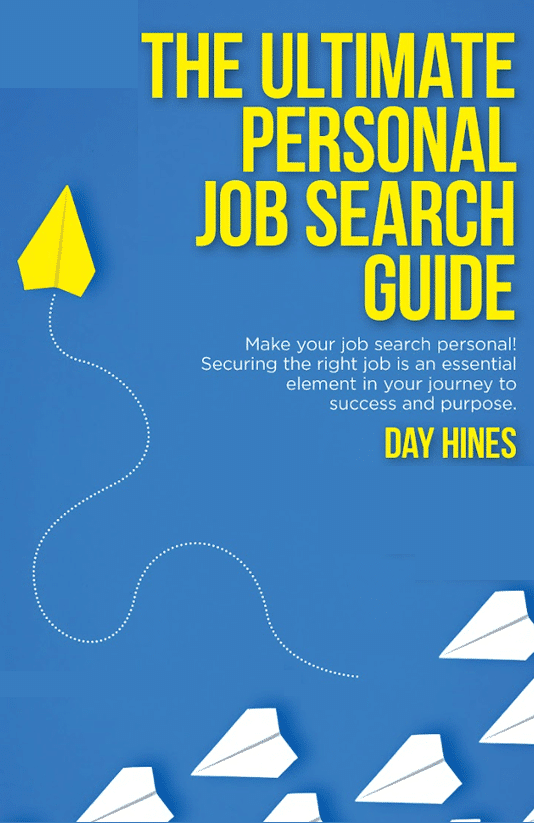
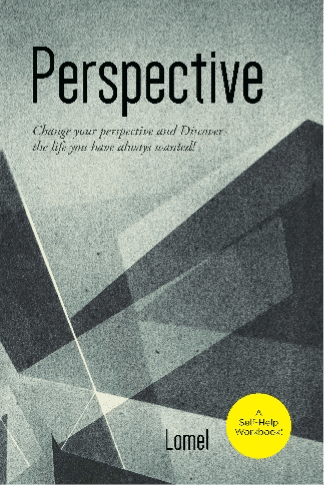
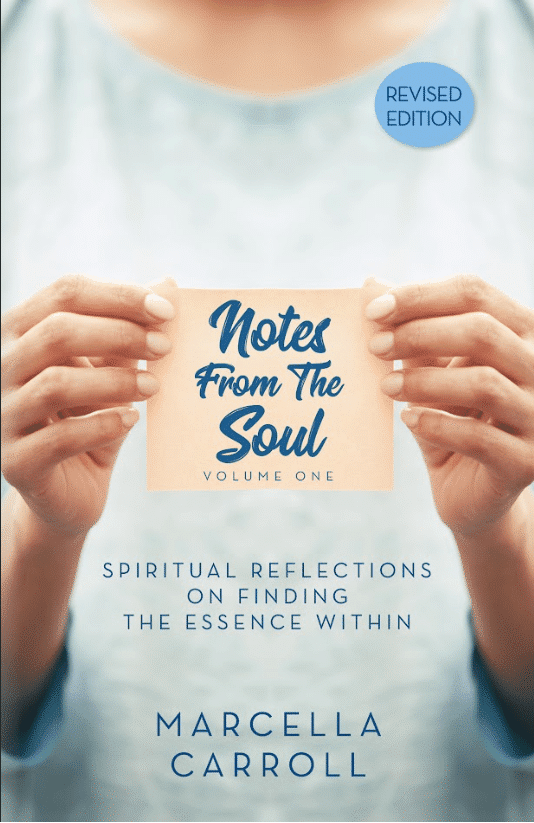
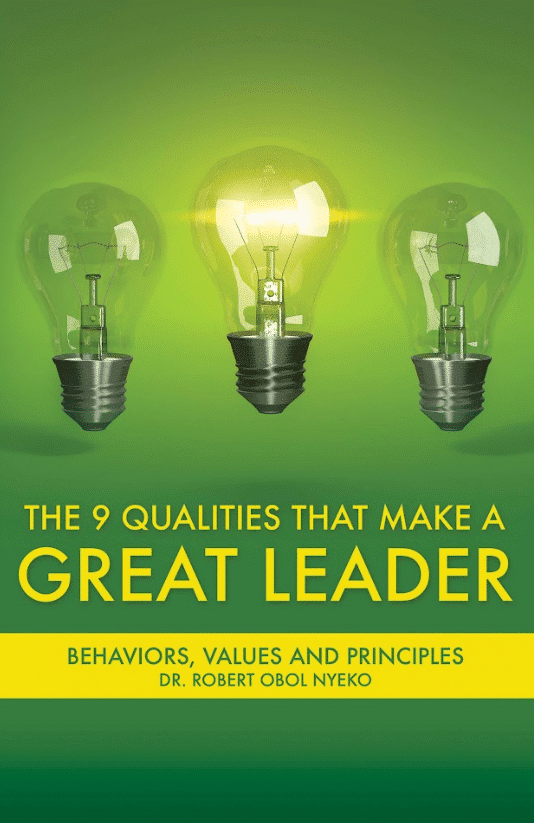
Books in the self-help genre are popular choices for readers everywhere, bringing assistance and advice to numerous aspects of life. From mental health to finance books, self-help books bring real insight that readers can apply to their everyday lives, helping them reach their goals, overcome challenges, and more. Writing and publishing a self-help book is a challenging yet rewarding process, with the potential to help thousands of people and help you grow your career.
While self-publishing a self-help book have many benefits, including total creative control, it can be hard to know where to start. Luckily, Palmetto Book Publisher offers numerous publishing services for independent authors to guide them through the entire book publishing process.
Read on to learn more about the self-help book genre, as well as how to publish self-help books and an overview of the industry-leading publishing services that Palmetto Book Publisher offers.
Self-help books are nonfiction guides that help readers solve problems or improve different areas of their lives. Also known as “self-improvement” books, they often give advice on how to improve yourself mentally, physically, financially, etc. Common self-help topics include mental health, finances, personal organization, confidence boosting, and strengthening relationships.
As seen from these examples, many self-help books can also fall into other genres, like how-to, inspirational, or memoir. Yet, the overarching similarity among them all is that they are nonfiction books providing guidance on how to improve an area of the reader’s life or inspire them to try something new. Self-help books also typically relay knowledge from author’ lived experiences, sharing guidance that worked for them personally.
Writing a self-help book is more than just sharing advice — it’s about guiding readers toward meaningful change. To write a successful self-help book, you need to provide clear solutions to common problems so your readers can take actionable steps toward improvement. Here are some steps for how to write a self-help book.
Pick a topic you’re passionate about and have experience with. Your book should address a specific issue or challenge your readers are facing.

Dive deep into your topic to make sure your advice is backed by reliable information and best practices.

Understand who your readers are and what they need. Tailoring your messages to a specific audience makes your book more impactful.

Arrange your ideas in a clear and organized way. This will help your book flow logically from one section to the next.

Clearly explain the problem your book will solve. Readers should quickly understand what problem you’re helping them solve.

Provide background on why the problem exists. This helps readers see the bigger picture and why solving it is so important.

Encourage your readers to take proactive steps. Use motivating language to inspire action and change.

Break down the steps readers can follow to overcome the problem. Clear, actionable advice is the answer to a successful self-help book.

Prepare your readers for potential roadblocks and offer solutions to overcome them. Anticipate challenges to keep your readers on track.

Add personal stories from your own experiences to demonstrate how your advice works in real-world situations.

Set an expectation for what readers will achieve by following your advice. A defined promise will keep them motivated to keep reading.

Lists simplify complex ideas by breaking them down into easy-to-follow steps or tips. They help readers easily follow along and retain information.

End each section with an encouraging message. Remind your readers of their potential and keep them energized throughout the book.
Every book genre has its own approach when it comes to publishing, marketing, and formatting, and self-help books are no exception. For self-help books, you’ll want a captivating title and an eye-catching cover to attract readers. Overall, the publishing process for self-help books involves these steps:
Self-help books are usually self-published, which is a great way for new authors to start their careers and reach niche audiences. Independent authors can follow these steps for self-publishing themselves or partner with experts to guide them through the process. Working with a professional publishing company like Palmetto Book Publisher ensures your self-help book stands out from genre competitors.
Compared to traditional publishing, self-publishing your self-help book comes with a lot of perks. While going the traditional route can offer some credibility, it often means long wait times, lower royalties, changes to your content, and less control. Self-publishing, on the other hand, lets you:
While self-publishing is no easy feat, the rewards make the process worth it. Plus, professional publishing service providers for independent authors are here to help make the process a breeze.
Once you’ve written the book, you have an important decision to make. Here’s why self-publishing trumps traditional book publishing — particularly for entrepreneurs:

After you write your book, the next step is to publish your story and get it into the hands of interested readers. If you want to retain maximum control over your book, consider self-publishing it. This method allows you to make the final decisions about everything from the cover design to printing. Additionally, you can earn higher royalties than you would if you published your book with a traditional publisher. Self-publishing may sound intimidating, but the process can be easy and fast with the help of a top-tier publishing company like Palmetto Book Publisher. We offer a variety of services to support writers through the self-publishing process, including:
Below are answers to common questions to help give you a better understanding of how to write a self-help book that resonates with readers.
Start by identifying a problem your readers face and offer clear, actionable steps to solve it. Keep the language simple, structure the book with an outline, and provide real-life examples to make your advice relatable.
Anyone with personal experience or expertise in solving a specific issue can write a self-help book. You don’t need to be a professional in the field, but you do need to have valuable insights to share.
Self-help books typically follow a structured format, starting with an introduction to the problem, followed by chapters that outline steps or strategies for solving it. If you want to engage readers, make sure to include actionable advice and real-life examples.
A self-help book can range from 20,000 to 80,000 words, depending on the topic’s complication. Strive to thoroughly cover your subject without overwhelming the reader.
See what our customers are saying about our professional Self-Help services!
Dani AppleThey are dream makers! I highly recommend them to anyone and everyone looking to get their written creations out into the world.…

Ready to share your story with the world? Our team is here to help.
Get Started!Or give us a call+0 000 000 0000