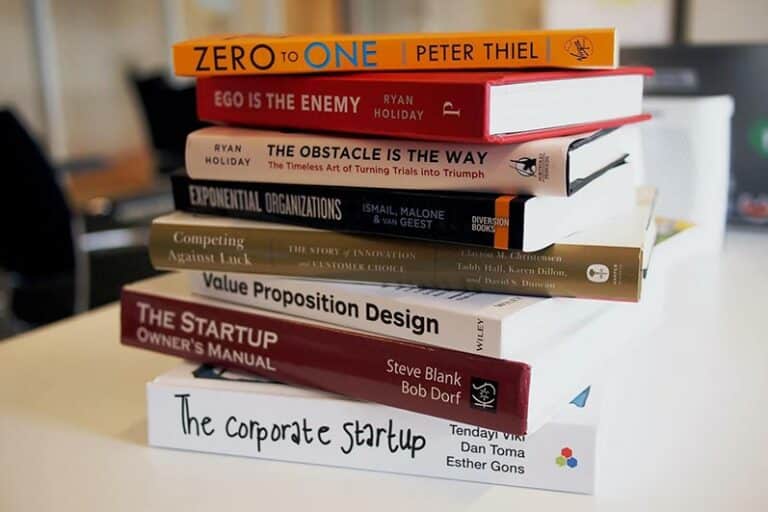

Share your wisdom and grow your brand with industry specific books.
Publishing a book can feel like a monumental task, especially when you do it on your own. There’s a whole world of design choices, marketing strategies, and printing options that you need to navigate before your book finds its audience. Count on Palmetto Book Publisher to guide you along the way.


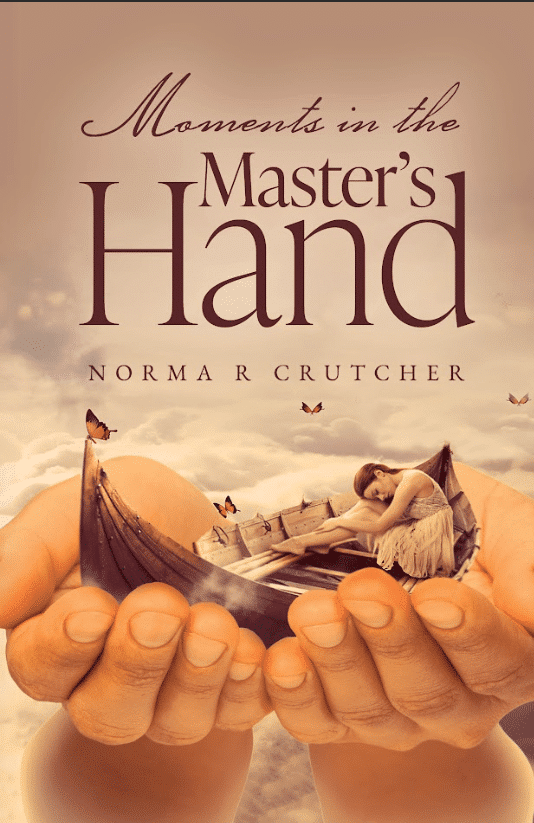

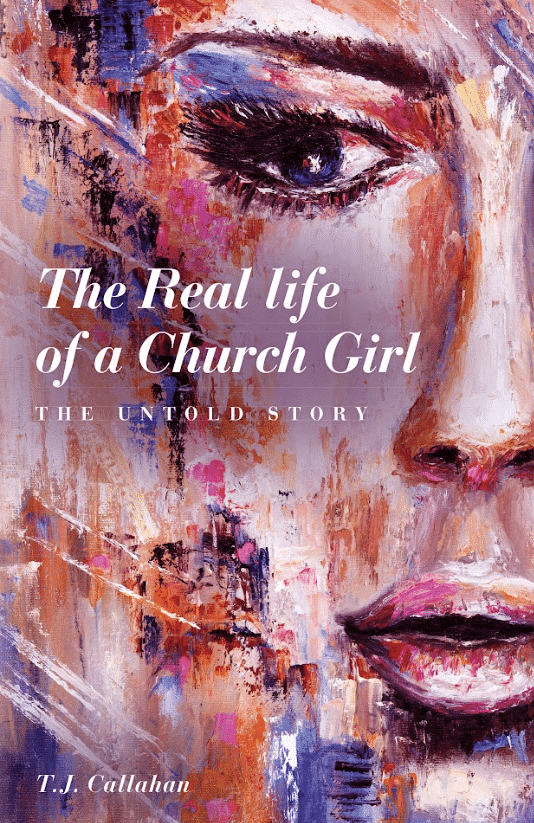
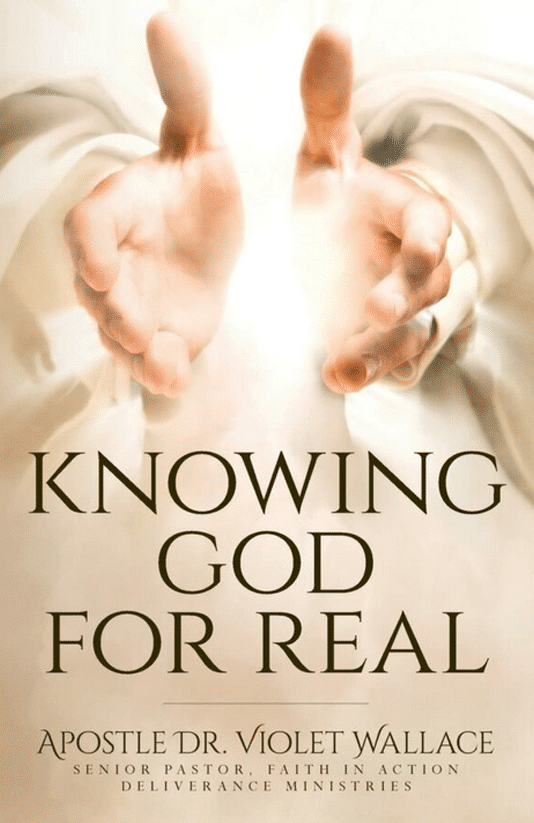



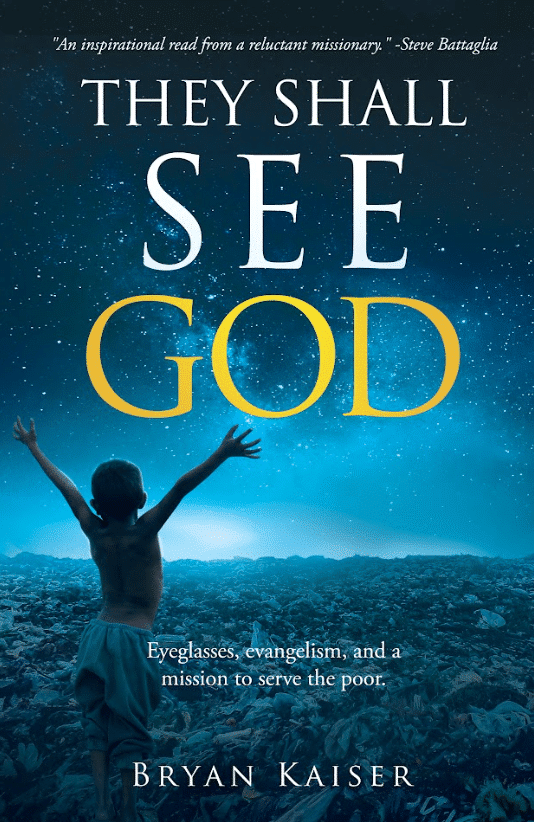

Religious books explore themes and topics related to belief, faith, morality, and spirituality. Books in this genre include fiction or nonfiction, covering many faiths and religions. For example, you can find religious books about Buddhism, Christianity, Judaism, Taoism, and many other spiritual traditions.
Examples of famous religious books include:
This flexible genre includes many subgenres, such as:
Your goals, message, and target audience can help you determine what subgenre you want to write in. For instance, if you plan to write a deeply personal account about your experiences converting to Judaism, you’ll likely market your story as a spirituality book. If your book critiques central Christian doctrines, you can label it as a religious study.
Writing a compelling and inspiring religious book can challenge even the most skilled authors. It’s essential to strike a balance between entertaining and educating readers so your book draws readers in rather than alienating them.
These simple guidelines can help you create an excellent religious book:
Above all, your religious book should make readers feel positive emotions about faith and spirituality.
Writing your religious book takes plenty of effort and time, but the work doesn’t end once you’ve finished your manuscript. You’ll need to publish your book if you want a wider audience to read it. You can research various book publishing methods, but most authors choose either traditional or self-publishing.
Further, you can pitch your religious book to a traditional publishing company directly or, in many cases, with the help of a literary agent. Your book may get rejected by many publishers before you find the right fit, or it may never get accepted at all.
Traditional publishing has several advantages. Many traditional publishers employ an entire staff of editors, designers, and marketers who handle every step of the publishing process. This team can distribute your book widely and take the burden of many publishing tasks off your shoulders. In return, a traditional publishing company usually keeps a large percentage of the book profits, and you may have little to no input in publishing decisions.
Self-published authors take the publishing process into their own hands. This method requires a higher financial investment because authors must pay the upfront costs of book printing. Many self-published authors also hire specialists like editors and book designers. However, self-publishing can be more profitable in the long run because authors keep all or most of their royalties.
Once you’ve written the book, you have an important decision to make. Here’s why self-publishing trumps traditional book publishing — particularly for entrepreneurs:

After you write your book, the next step is to publish your story and get it into the hands of interested readers. If you want to retain maximum control over your book, consider self-publishing it. This method allows you to make the final decisions about everything from the cover design to printing. Additionally, you can earn higher royalties than you would if you published your book with a traditional publisher. Self-publishing may sound intimidating, but the process can be easy and fast with the help of a top-tier publishing company like Palmetto Book Publisher. We offer a variety of services to support writers through the self-publishing process, including:
See what our customers are saying about our professional Religious services!

Ready to share your story with the world? Our team is here to help.
Get Started!Or give us a call+0 000 000 0000