



























Character
Characters are an essential element of any fiction book — animals, humans, imaginary creatures, or even trees. Common types include the protagonist, antagonist, and narrator.

Share your wisdom and grow your brand with industry specific books.
Publishing a book can feel like a monumental task, especially when you do it on your own. There’s a whole world of design choices, marketing strategies, and printing options that you need to navigate before your book finds its audience. Count on Palmetto Book Publisher to guide you along the way.

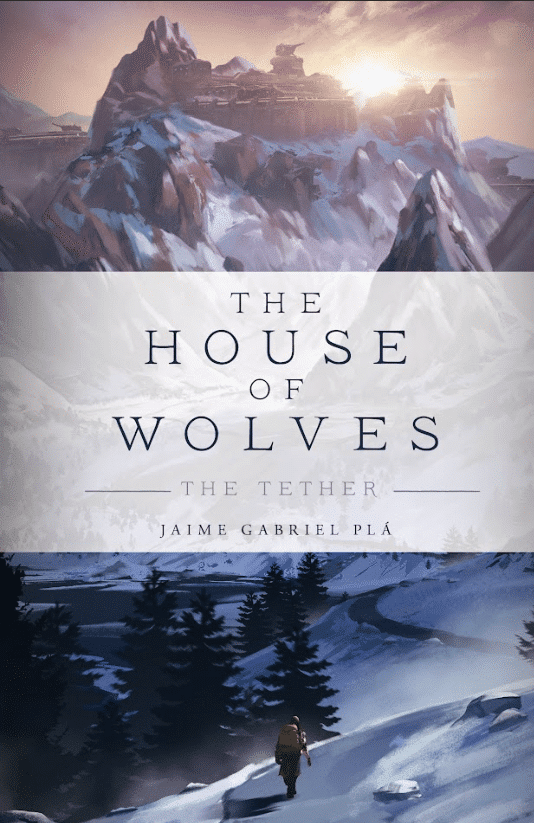
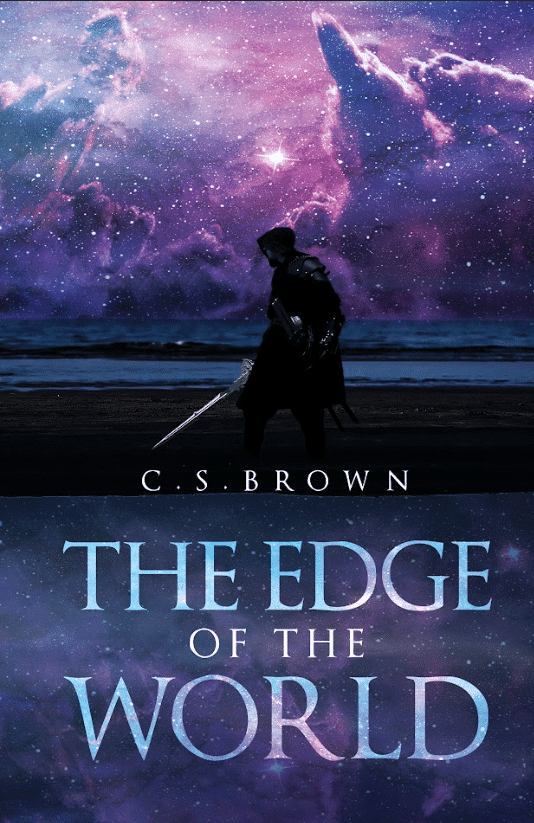
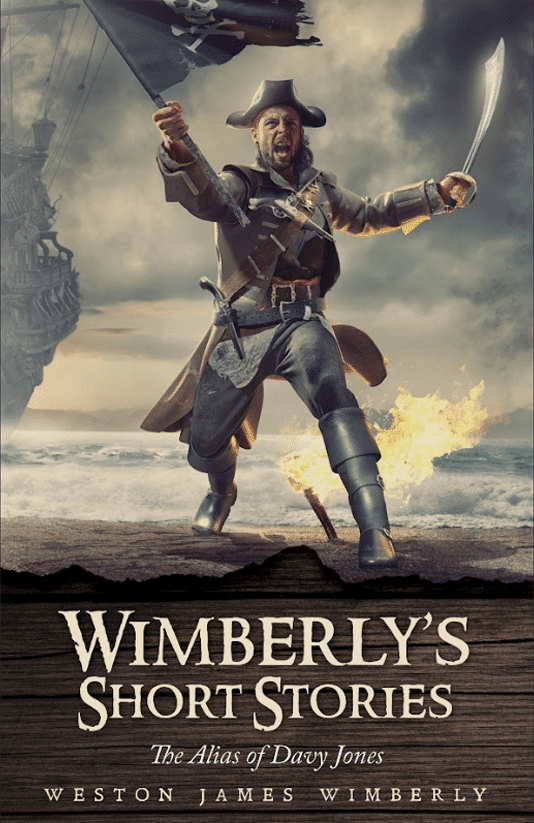
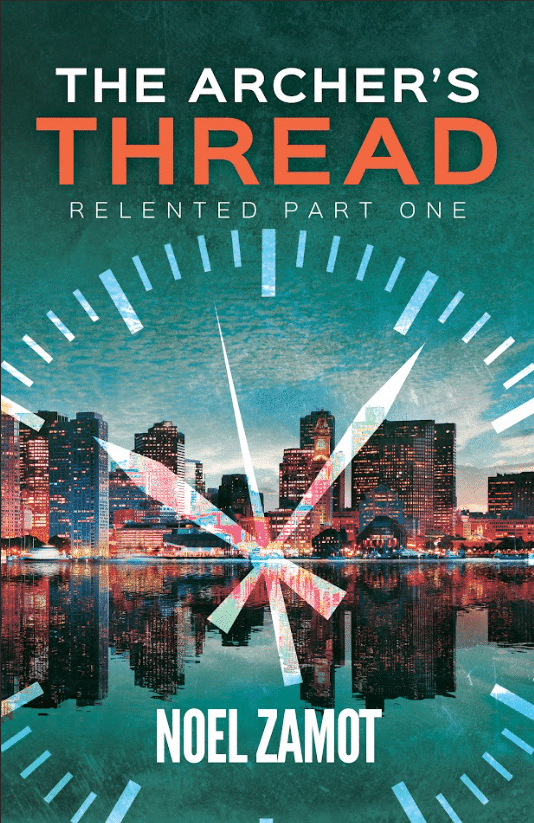
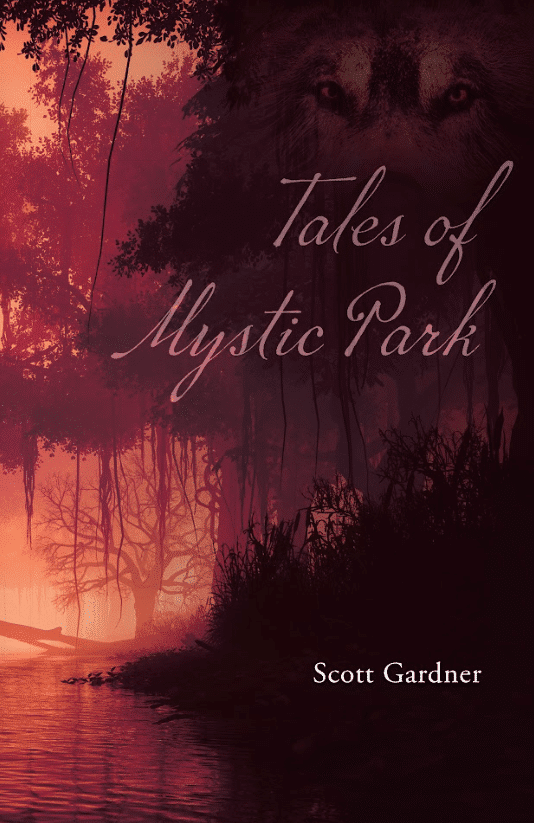
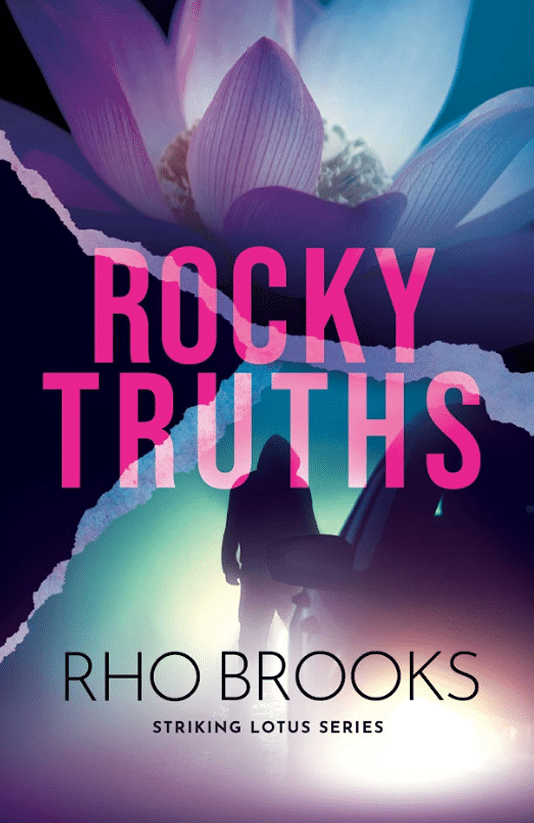
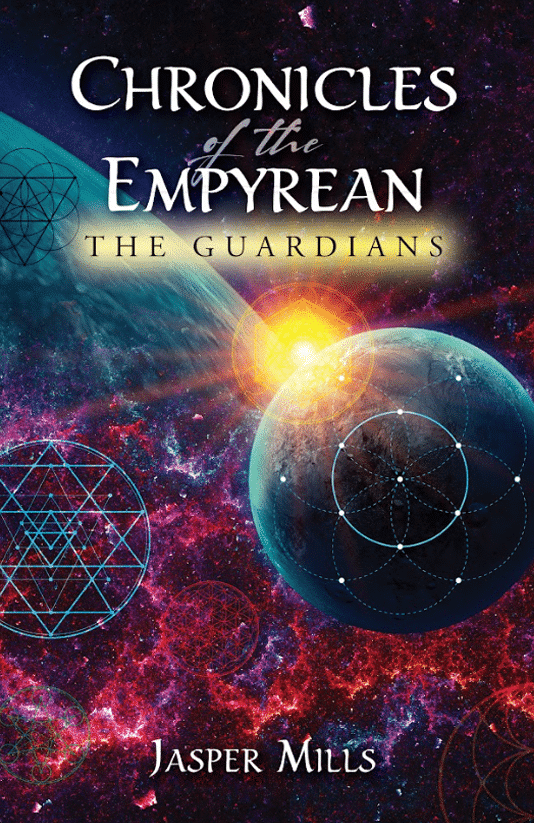
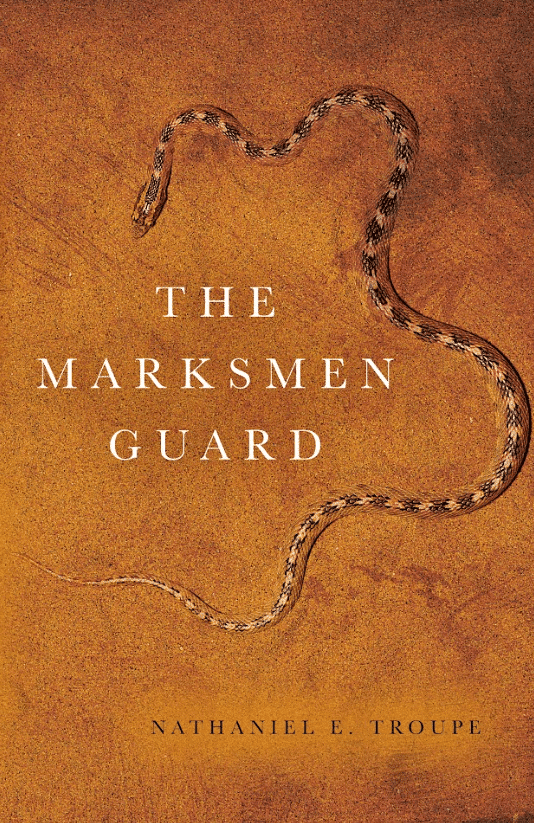
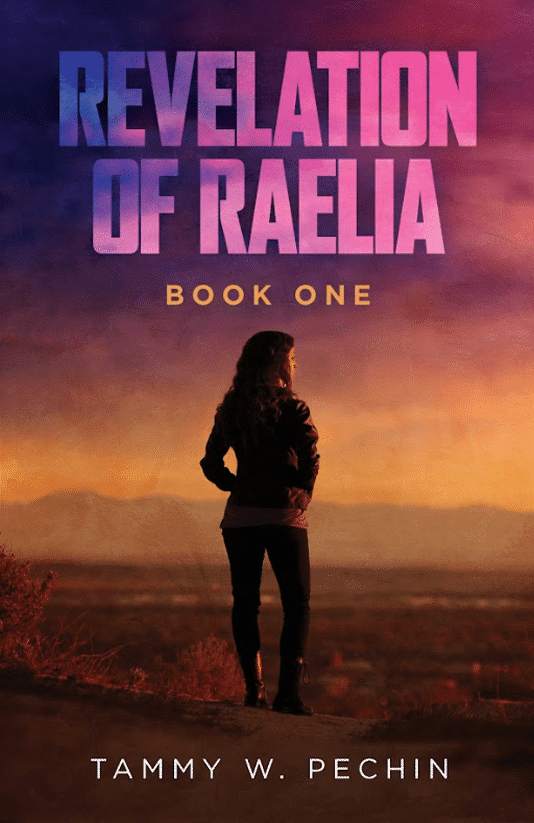
Fiction books include imaginary elements invented by the writer. The narratives typically have made-up characters, events, objects, and places. For example, Christopher Paolini’s fantasy fiction novel Eragon takes place in the imaginary country of Alagaësia, and the narrative includes dragons and other unreal creatures.
By contrast, nonfiction books provide factual accounts of actual events, people, or subjects. Writing a nonfiction book requires writers conduct extensive research and interview witnesses to ensure that they tell a reliable and unbiased narrative. Fiction writers also frequently draw on research, but they build on and often manipulate these facts to develop their creative story.
Many books blend aspects of fiction and nonfiction, which can make it challenging for readers to tell the difference between the two genres. For instance, F. Scott Fitzgerald set The Great Gatsby in the actual locations of Long Island and New York City, but the plot centers on the characters and events he imagined.
Generally, if a book includes any invented elements that exist only in the writer’s imagination, publishers and readers classify it as fiction.
While fiction books can cover a variety of scenarios and topics, texts in this genre share several fundamental elements. By creatively incorporating these fundamentals in your fiction writing, you can create an engaging and unique book.
Characters are an essential element of any fiction book — animals, humans, imaginary creatures, or even trees. Common types include the protagonist, antagonist, and narrator.
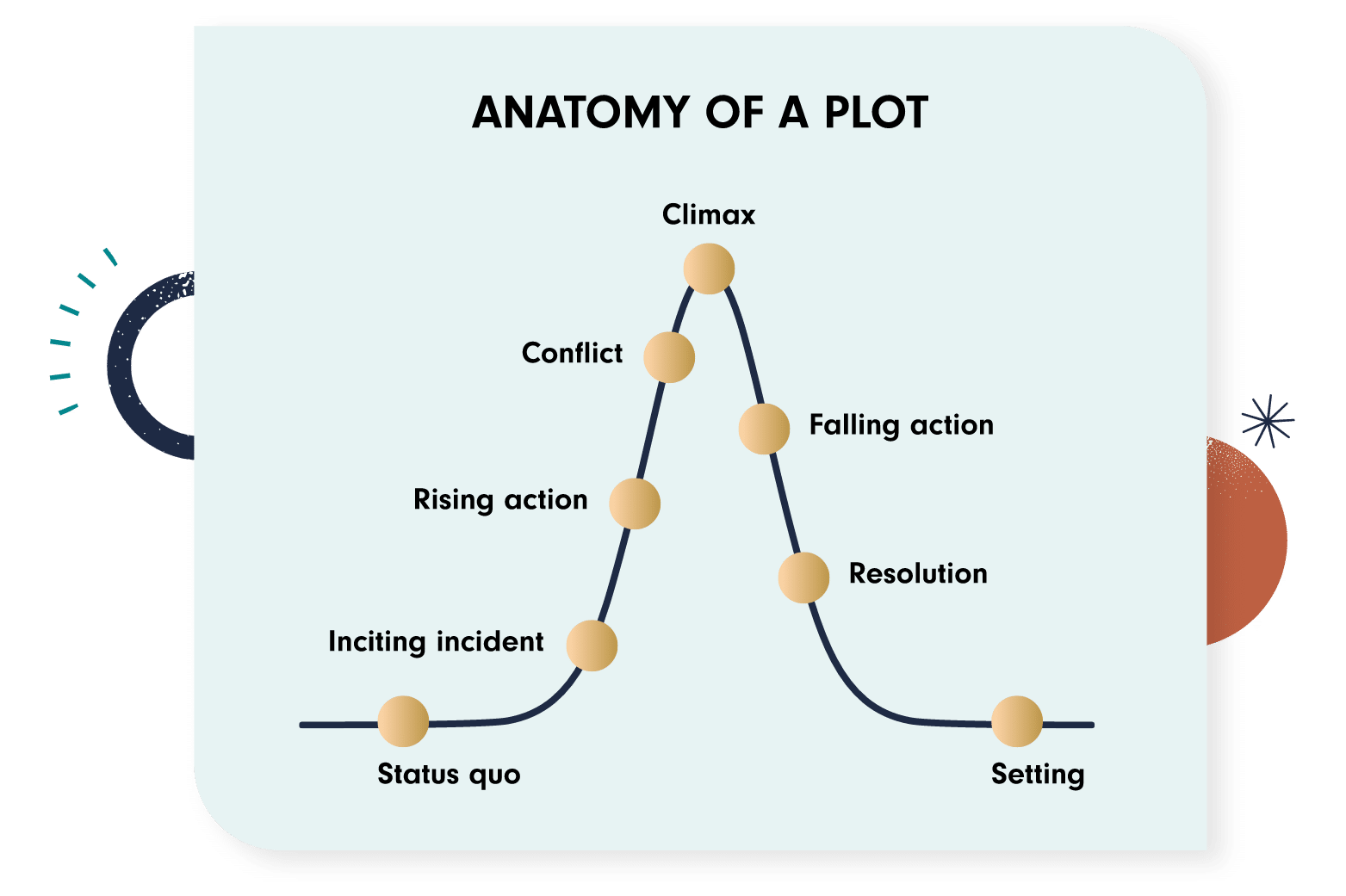
The plot is the series of conflicts or events in the story, often following exposition, rising action, climax, and resolution.

The perspective from which the story is told — first-person, second-person, or third-person.

The context, location, and time where the story takes place. Fiction lets you reinvent real places or invent new worlds.

Abstract concepts and deeper messages about life that fiction stories explore and convey to readers.
While all fiction books share some common characteristics, you can further divide these texts into genres. Each genre has certain conventions, styles, and tropes that readers recognize and expect. For example, romance books typically feature tropes like a happy ending, love triangles, and marriage. Popular fiction genres include:
Each genre also includes subgenres or smaller clusters of texts that share more specific characteristics. For instance, the mystery genre includes these subgenres:
By learning the conventions of your chosen genre, you can more effectively advertise your book to interested readers. For instance, you can follow trends in cover designs for your genre to create an eye-catching cover that will attract the right audience.
Once you’ve written the book, you have an important decision to make. Here’s why self-publishing trumps traditional book publishing — particularly for entrepreneurs:
After you write your book, the next step is to publish your story and get it into the hands of interested readers. If you want to retain maximum control over your book, consider self-publishing it. This method allows you to make the final decisions about everything from the cover design to printing. Additionally, you can earn higher royalties than you would if you published your book with a traditional publisher. Self-publishing may sound intimidating, but the process can be easy and fast with the help of a top-tier publishing company like Palmetto Book Publisher. We offer a variety of services to support writers through the self-publishing process, including:
See what our customers are saying about our professional Fiction services!

Ready to share your story with the world? Our team is here to help.
Get Started!Or give us a call+0 000 000 0000